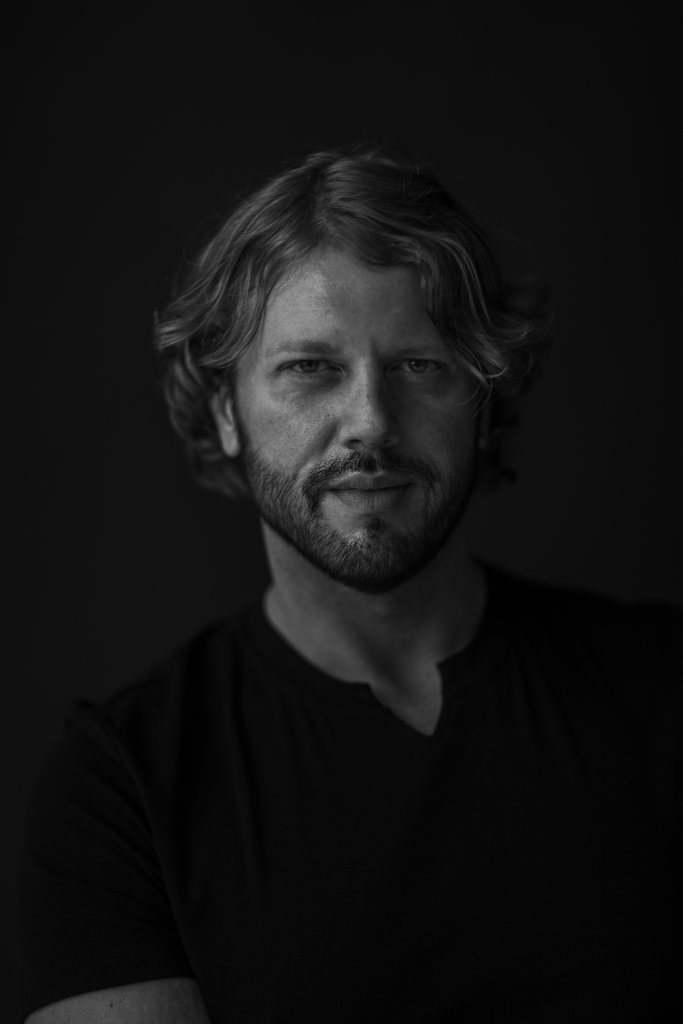
Logan Massengale is 6'8", tattooed, and built like the kind of man you assume has never once wondered if anybody wanted him in the room. I assumed that too, the first time he walked into my studio. I was wrong.
Logan Massengale is 6'8", tattooed, and built like the kind of man you assume has never once wondered if anybody wanted him in the room.
I assumed that too, the first time he walked into my studio. I was wrong.
He grew up in Franklin, Tennessee, the firstborn, a big kid who became a very big kid. Football found him early, and by eighth grade it had already become the center of who he thought he was. A concussion that year — the first of what would eventually be at least thirteen documented head injuries — introduced him to anxiety, anger, and depression he didn't yet have language for. What he did have was a sport that gave him something he needed badly: attention. People knew his name. And when you're young and unsure of yourself, attention can feel a lot like love.
By the end of high school he was a nationally recruited athlete, already imagining college, the NFL, a future built entirely on football. Then, during his freshman year, a catastrophic spinal injury left him temporarily paralyzed from the neck down. Doctors weren't sure he'd walk again.
Football was over. And so, it turned out, was most of the attention. Scouts stopped calling. Coaches disappeared. Many teammates went quiet. Logan discovered, the way a lot of people eventually do, that you don't find out who your friends are when everyone's cheering — you find out when you're no longer useful to the room.
What followed was a decade of surviving things that should have killed him — spinal meningitis, a car accident first responders assumed was fatal — without ever learning how to actually live. He joined the military, married young, built businesses, made money, stepped into modeling and entertainment. From the outside, it read as success. Inside, the loneliness kept getting louder, and alcohol became the thing that turned the volume down. Then cocaine. Then a pattern of relationships he wasn't emotionally equipped to be in.
He doesn't tell this part of his story as a victim. He's the first to say he was reckless, shallow, a problem in more than one marriage. That honesty is what makes the rest of it land.
By 2021, his addiction, his health, and his marriage were all collapsing at once. On October 21, 2021, after years of fighting the internal battle no one can see, the voices became too loud, almost unbearable. This is when he attempted to take his own life.
He survived. That date became both his survival date and his sobriety date — the same day.
Sobriety didn't come with a soundtrack. Almost all friends disappeared once he stopped drinking, the way people sometimes do when your recovery makes their own patterns harder to ignore. What came instead was slower: therapy, hard conversations, and solitude.
Somewhere in that rebuilding, two people saw a version of Logan he'd stopped seeing in himself and pushed him toward entertainment. But what actually explains him isn't the acting or the modeling. It's a moment I caught on camera during our first session — his expression shifting for just a second, revealing something underneath all that height and confidence: softness, and an enormous capacity for love he'd spent most of his life trying to earn.
Near the end of our conversation, I asked Logan the question I couldn't stop thinking about.
After everything — the loneliness, addiction, betrayal, the years of fighting himself, and the night he almost didn't survive — how do you still love people the way you do? He went quiet. And in that silence, I think I understood something.
Pain has two ways of changing us. It can make us build walls so high nobody ever reaches us again. Or, somehow, it can make us become the person we once desperately needed.
Logan chose the second. He remembers what it felt like to be surrounded by people and still feel invisible. To be wanted for what he could give, how he looked, how he performed, but not necessarily for who he was underneath all of it.
So now he gives away the very thing he once searched everywhere to find. To see people. To remind them they matter. To sit beside someone in the darkness instead of asking them to hurry toward the light.
Maybe that is what redemption really looks like.
Not erasing what happened.
Not pretending the scars disappeared.
But taking everything that almost destroyed you and refusing to let it become useless.
"Your story is somebody else's survival guide."
And perhaps that is the power of surviving.
One day, the road you barely made it through becomes the map you can hand to somebody still trying to find their way out.
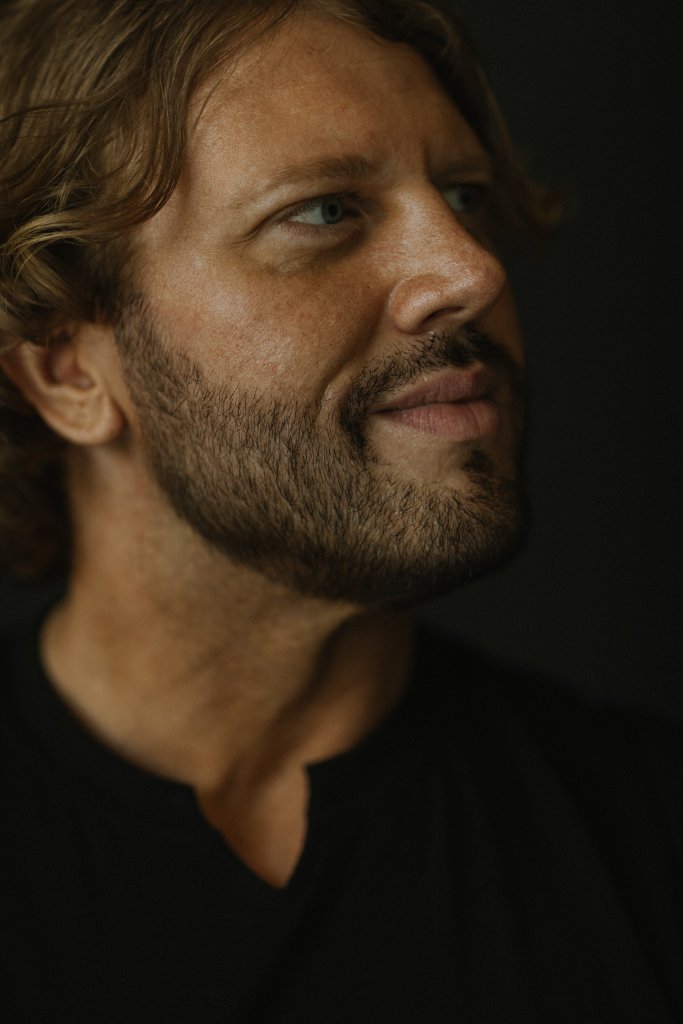
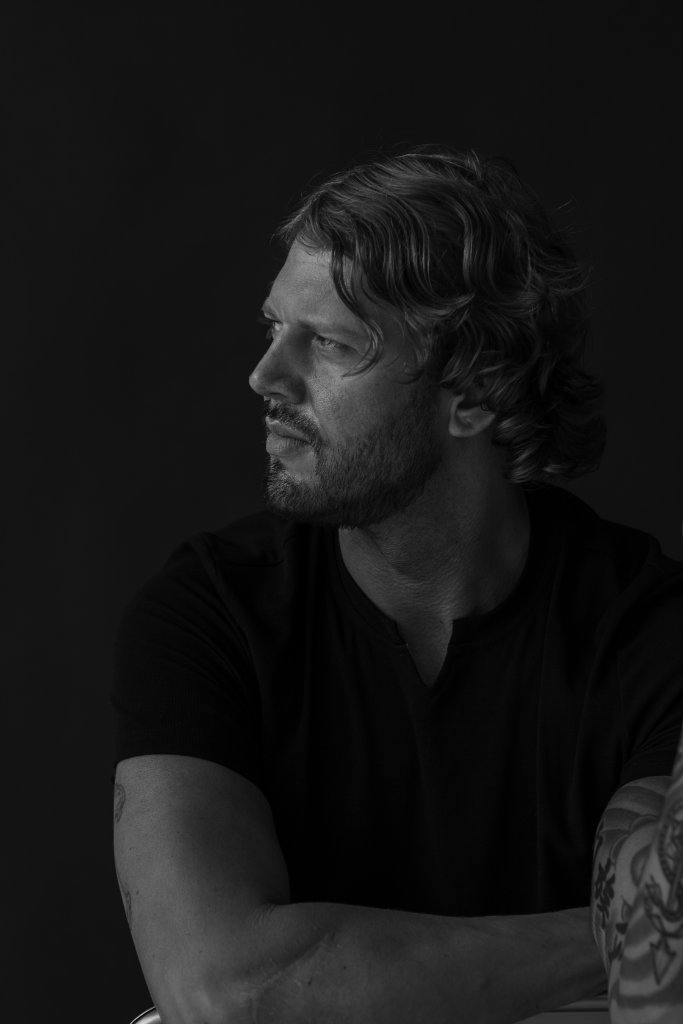
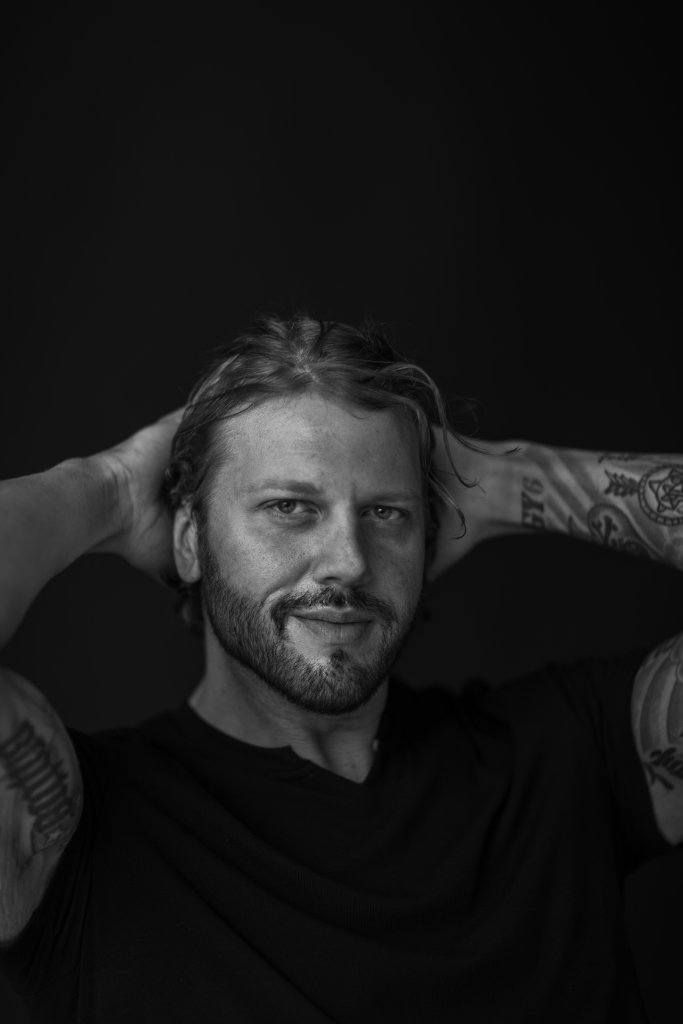

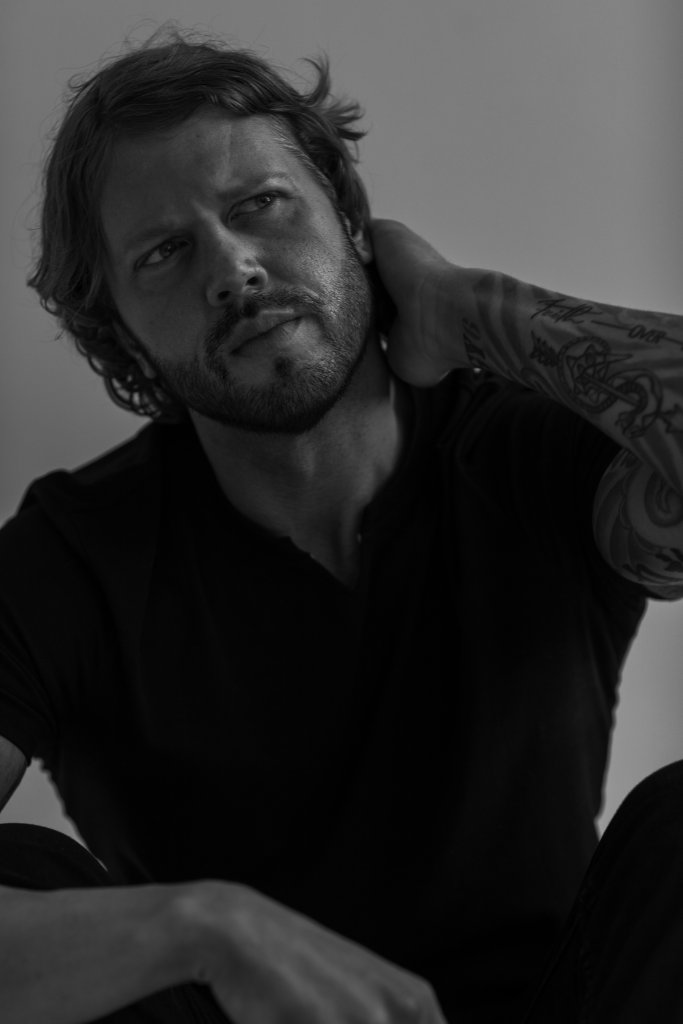

"Your story is somebody else's survival guide."
- Logan Massengale
Logan's story reflects the silent battles many men carry behind height, confidence, and outward success. It speaks to the loneliness of being seen for what you can give rather than who you are, the weight of addiction and mental illness, and the quiet redemption of choosing to become the person you once needed.
This is one story. There are more.